Table of contents
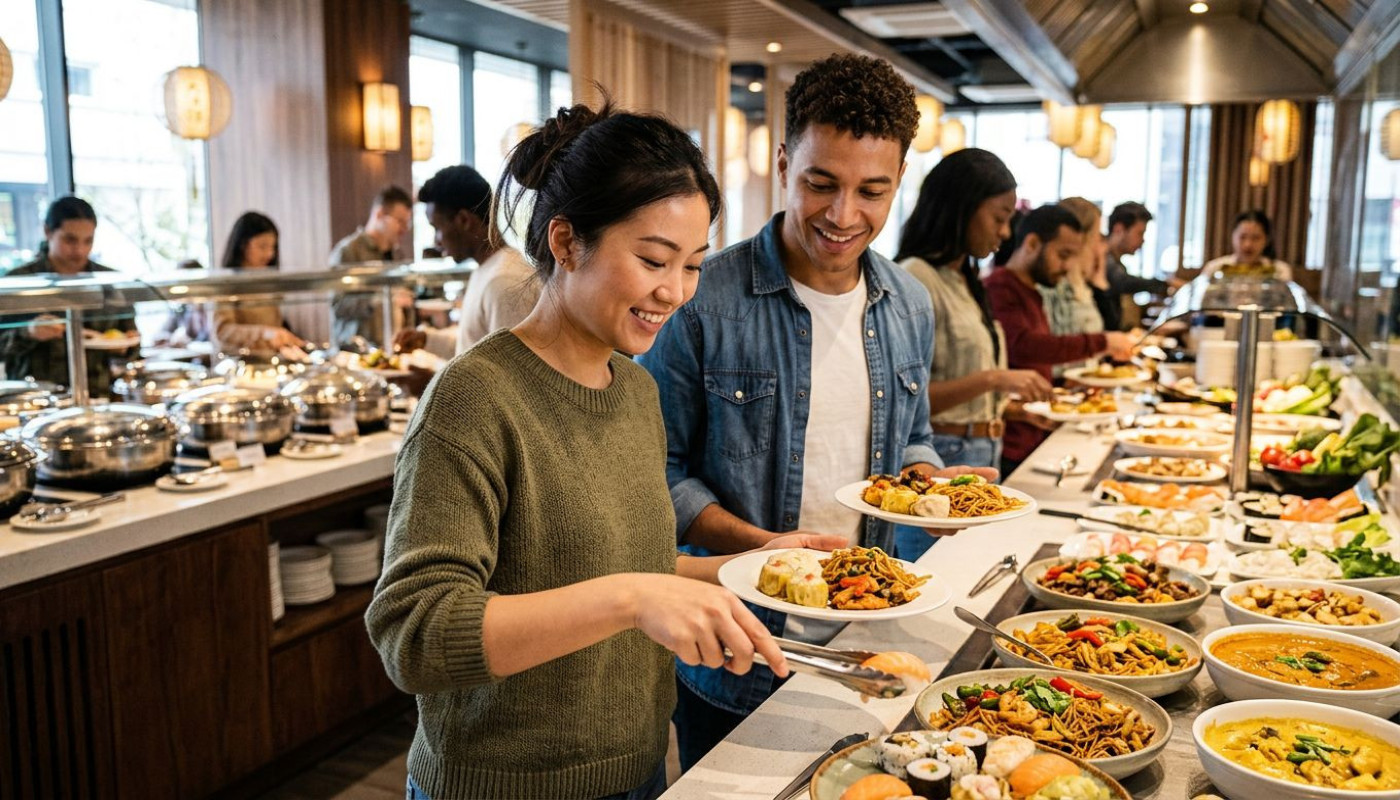
Asian cuisine has captivated food lovers worldwide with its vibrant flavors, diverse ingredients, and unique cooking techniques. The concept of all-you-can-eat offerings adds another layer of excitement, allowing diners to sample a wide spectrum of dishes in a single meal. Dive into this fascinating culinary experience and uncover the cultural richness and sensory delights that only Asian all-you-can-eat restaurants can provide.
Origins of all-you-can-eat dining
The all-you-can-eat dining style, often associated with the term buffet-style service, has a rich culinary history that traces back to various ancient traditions. In Asian gastronomy, communal meals and large family gatherings have long emphasized shared plates, allowing participants to sample a wide variety of dishes in a single dining experience. This tradition laid the groundwork for the modern Asian buffet, where unlimited servings became not just a symbol of hospitality but also a celebration of food culture and variety. Early forms of this concept were observed in imperial banquets and festive street markets, where abundance and variety showcased the region’s culinary diversity.
As globalization accelerated, the buffet-style service found its way into restaurants and hotels across Asia, adapting to urban lifestyles and the growing demand for efficiency and choice. Asian buffets started incorporating both traditional and contemporary dishes, blending local flavors with international influences to satisfy a broader clientele. This evolution catered to diners looking for value and variety, making the Asian buffet a cornerstone of the modern dining experience. Restaurants across cities from Tokyo to Bangkok began perfecting the art of presenting diverse dishes, expertly balancing quality and quantity to attract a cosmopolitan audience.
The popularity of unlimited servings in Asian cuisine has since spread worldwide, as travelers and food enthusiasts seek out these multifaceted dining experiences. The appeal lies in the opportunity to explore numerous flavors and textures in one meal, providing a culinary journey that reflects the rich food culture of the region. The all-you-can-eat concept continues to evolve, integrating local ingredients, seasonal specialties, and innovative presentations, ensuring that the allure of the Asian buffet remains strong among international audiences eager for discovery and satisfaction.
Signature dishes to savor
At Asian all-you-can-eat restaurants, the must-try dishes present a curated tasting menu that celebrates diversity and depth. Sushi, with its delicate vinegared rice, fresh fish, and vibrant garnishes, offers a clean, balanced flavor profile and visually striking presentation that captures the minimalist elegance of Japanese cuisine. Dim sum showcases the complexity of Cantonese culinary art through bite-sized portions such as translucent har gow shrimp dumplings and fluffy char siu bao, each crafted for both texture and visual appeal. Korean barbecue provides an interactive experience, allowing diners to grill marinated meats like bulgogi and galbi tableside, enjoying the caramelized exterior and juicy interior that exemplify the bold, savory-sweet palate of Korean cuisine.
These must-try dishes embody the essence of Asian cuisine by blending aromatic ingredients, umami-rich sauces, and meticulous preparation techniques that have been refined over generations. The variety found in an all-you-can-eat format allows diners to sample a wide spectrum of flavors, from the subtlety of sushi’s seaweed-wrapped morsels to the smoky depth of grilled meats and the comforting warmth of steamed dumplings. Presentation is equally valued, with dishes often arranged to celebrate color, freshness, and seasonality. Each bite in this tasting menu not only satisfies the appetite but also offers insight into the culinary traditions and regional specialties that define some of Asia’s most beloved food cultures.
Interactive and communal dining
Asian all-you-can-eat restaurants frequently feature interactive dining formats like hot pot and teppanyaki, which are known for fostering communal meals and group dining experiences. In hot pot, diners gather around a simmering pot placed at the center of the table, each participant selecting fresh ingredients to cook and share. This model not only highlights table-side preparation—a practice where food is prepared directly in front of guests—but also encourages a collaborative approach to dining, as individuals cook, serve, and enjoy their choices together. Teppanyaki offers a similar dynamic, with chefs preparing dishes on an open grill at the table, creating both a culinary performance and a focal point for conversation.
These interactive formats are celebrated by sociologists for their ability to strengthen social connections through shared tasks and collective enjoyment. By involving everyone in the preparation and consumption of food, hot pot and teppanyaki break down social barriers and generate a sense of unity around the table. Guests often find that the lively, participatory atmosphere of such group dining experiences leaves lasting memories. This communal approach to eating not only highlights the richness of Asian culinary traditions but also aligns with broader cultural values that emphasize bonding and hospitality within the context of interactive dining.
Balancing variety and quality
Asian all-you-can-eat restaurants face a unique challenge: delivering both a diverse menu and unwavering food quality. Chefs and kitchen teams use advanced quality control protocols, including precise inventory management, batch cooking, and rapid replenishment techniques. These methods ensure that each dish, from sushi to dim sum, maintains fresh ingredients and consistent flavor even during peak service hours. Close collaboration between culinary staff and sourcing partners enables these venues to offer exceptional menu variety without compromising on the freshness or taste expected at top Asian restaurants.
Staff training plays a significant role, empowering cooks to follow standardized recipes that help retain the signature taste of each dish, regardless of the volume prepared. Many leading establishments, such as a renowned Thai restaurant in Bangkok, implement frequent taste tests and real-time feedback loops in their kitchens, reinforcing the commitment to superior food quality. By focusing on both innovation and rigorous oversight, Asian all-you-can-eat venues manage to satisfy discerning diners who demand both abundance and culinary excellence.
Cultural etiquette and dining tips
When enjoying an Asian all-you-can-eat buffet, understanding dining etiquette and self-service protocol can greatly elevate the experience. Asian customs emphasize respect, mindfulness, and sharing, so it is recommended to use clean serving utensils provided at each station and avoid mixing them between dishes. Select smaller plates, which aligns with buffet tips that encourage sampling a diverse range of offerings without wasting food. Portion control is fundamental; taking modest portions at first allows for tasting multiple dishes while reducing leftovers, reflecting a respectful dining approach highly valued in many Asian cultures.
Observing cultural norms means refraining from piling food high or taking more than can be consumed, as leaving excess is often seen as disrespectful. It is polite to wait for everyone at the table before beginning to eat, and pace yourself so all diners can share the experience together. Respect for ingredients and preparation is also central; avoid using personal chopsticks to serve from shared platters, and always return for additional servings with a clean plate. Adhering to these buffet tips and principles not only honors Asian customs but also enhances the communal and harmonious nature of the all-you-can-eat dining tradition.
Similar articles
How Imported French Cheeses Enhance Culinary Experiences In Local Dining
